

Suppressors Explained in Under 3 Minutes: Are They Worth It for Faith-Based Hunters?
![[HERO] Suppressors Explained in Under 3 Minutes: Are They Worth It for Faith-Based Hunters?](https://faithandfreedomoutdoors.com/cdn/shop/files/7ZVLM-j86-U.webp)
Let's clear something up right away: suppressors aren't Hollywood silencers that make your rifle go "pew-pew." They're hearing protection devices that help you be a better steward of both your body and God's creation. And honestly? They might be one of the most underrated tools in your hunting kit.
If you've been on the fence about suppressors, wondering if they're worth the investment or if they align with responsible, faith-fueled hunting practices, this one's for you.
What Suppressors Actually Do
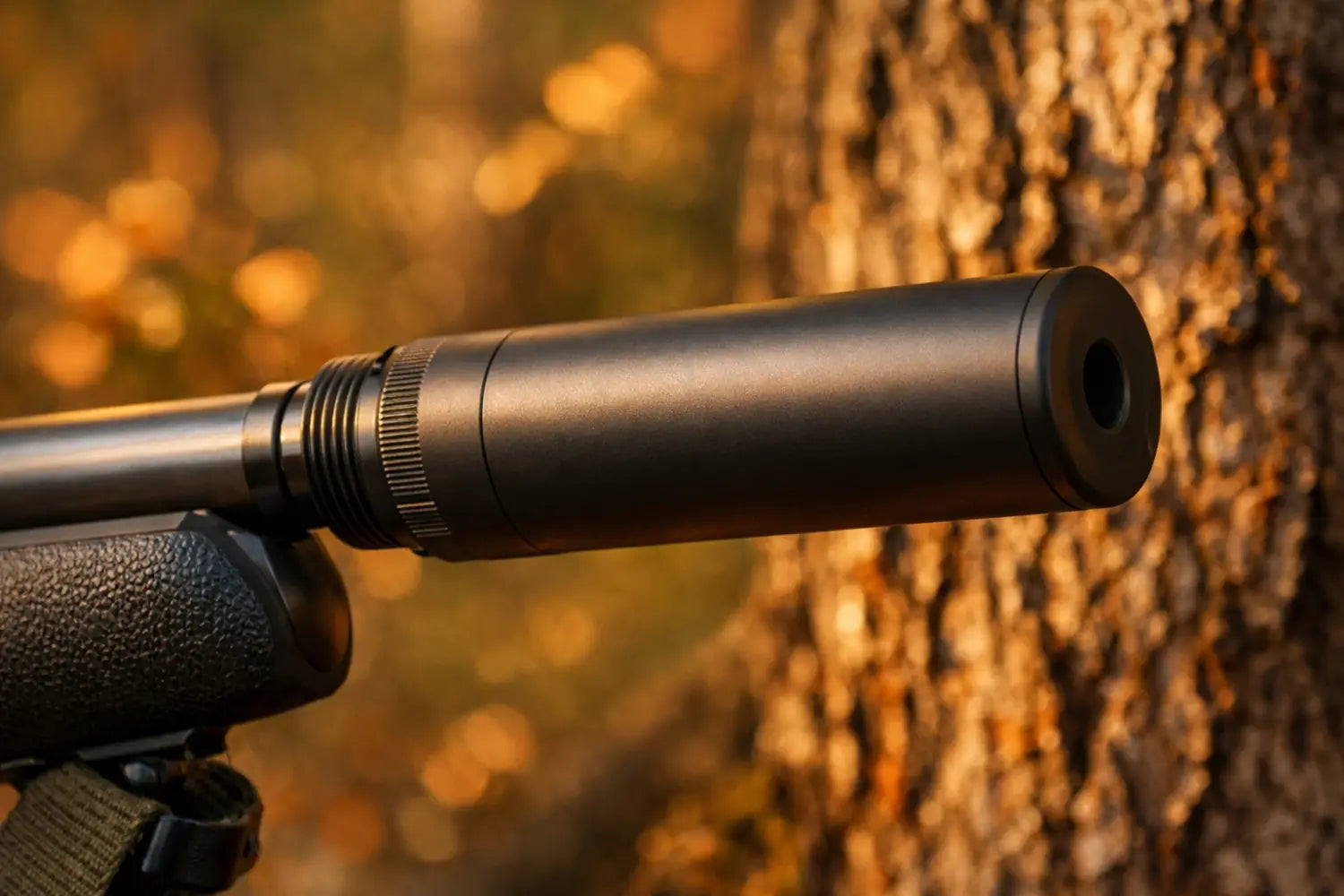
Think of a suppressor as a muffler for your rifle. When you fire a gun, you're creating a controlled explosion that pushes a bullet down the barrel. That explosion is loud, we're talking 160-180 decibels, which is right up there with jet engines and jackhammers.
A quality suppressor reduces that noise by about 20-40 decibels. Your .308 rifle that normally clocks in at 173 dB? With a suppressor, it drops to around 140 dB. That's still loud (think rock concert level), but it's the difference between permanent hearing damage and walking away with your hearing intact.
The Stewardship Case for Suppressors
Here's where faith meets function. We believe our bodies are temples †, and protecting them is part of being good stewards of what we've been given. Hearing loss from hunting isn't a badge of honor, it's preventable damage that affects your ability to engage with your family, your church community, and the world around you.
Every time you pull the trigger without hearing protection, you're risking cumulative damage. And let's be real: how many of us actually wear electronic ear muffs consistently in the field? When that buck steps out at dawn or that coyote appears at dusk, there's no time to fumble with ear pro.
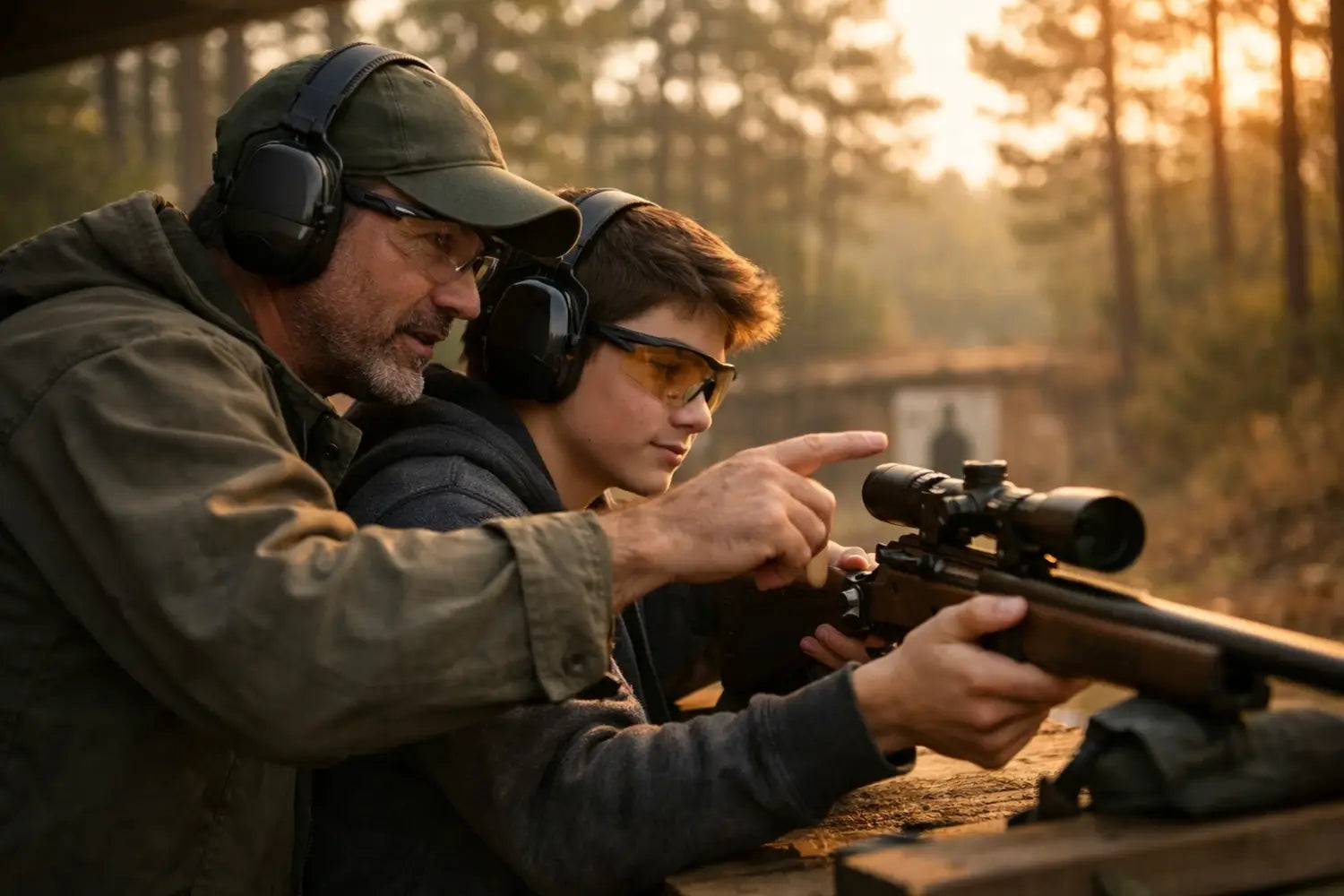
Suppressors are always on. They protect your hearing and the hearing of anyone hunting with you, your kids, your mentors, your hunting partners. That's responsible stewardship in action.
Beyond Hearing: The Hidden Benefits
Reduced Recoil
Suppressors don't just quiet your rifle, they tame it. By redirecting gases and reducing muzzle blast, they cut felt recoil by 20-30%. That means you stay on target, recover faster for follow-up shots, and can actually spot your impacts. For new hunters, youth shooters, or anyone sensitive to recoil, this is a game-changer.
Improved Accuracy
Less recoil means less flinching. Less flinching means better shot placement. And better shot placement means cleaner, more ethical harvests. When you're not anticipating the blast and kick, you naturally shoot more accurately.
Better Situational Awareness
That disorienting ring after a shot? Gone. With a suppressor, you maintain awareness of your surroundings. You can hear your hunting partner, track game movement, and stay connected to the environment instead of being isolated by temporary deafness.
Caring for Creation Through Quieter Hunting
Here's something we don't talk about enough: noise pollution affects wildlife and neighboring landowners. When you're hunting near populated areas or on shared land, a suppressor shows respect for both people and God's creatures.
Think about it: a suppressed shot is less likely to spook an entire herd, allowing you to be selective about your harvest. It reduces stress on wildlife populations. And it keeps the peace with neighbors who might be on the fence about hunting on adjacent properties.
This is stewardship of creation † in practice, taking what we need while minimizing our impact on the ecosystem and the community.
Where Suppressors Shine
Varmint Hunting
Prairie dogs, ground squirrels, coyotes, these hunts often involve multiple shots in quick succession. A suppressor lets you stay in the fight longer without fatigue, and the reduced report keeps critters from going on high alert after the first shot.
Predator Calling
When you're calling coyotes or bobcats, that first shot is everything. With a suppressor, if you miss or need a follow-up, nearby predators are less likely to bolt. You're maximizing your opportunities while minimizing disturbance.
Big Game in Populated Areas
Hunting whitetails near town? A suppressor transforms you from the guy who wakes up the neighborhood to a respectful neighbor who's quietly managing wildlife. This is how we maintain access and build bridges with non-hunters.
The Trade-Offs You Need to Know
Let's keep it real, suppressors aren't perfect. Here's what you're signing up for:
Added Weight and Length
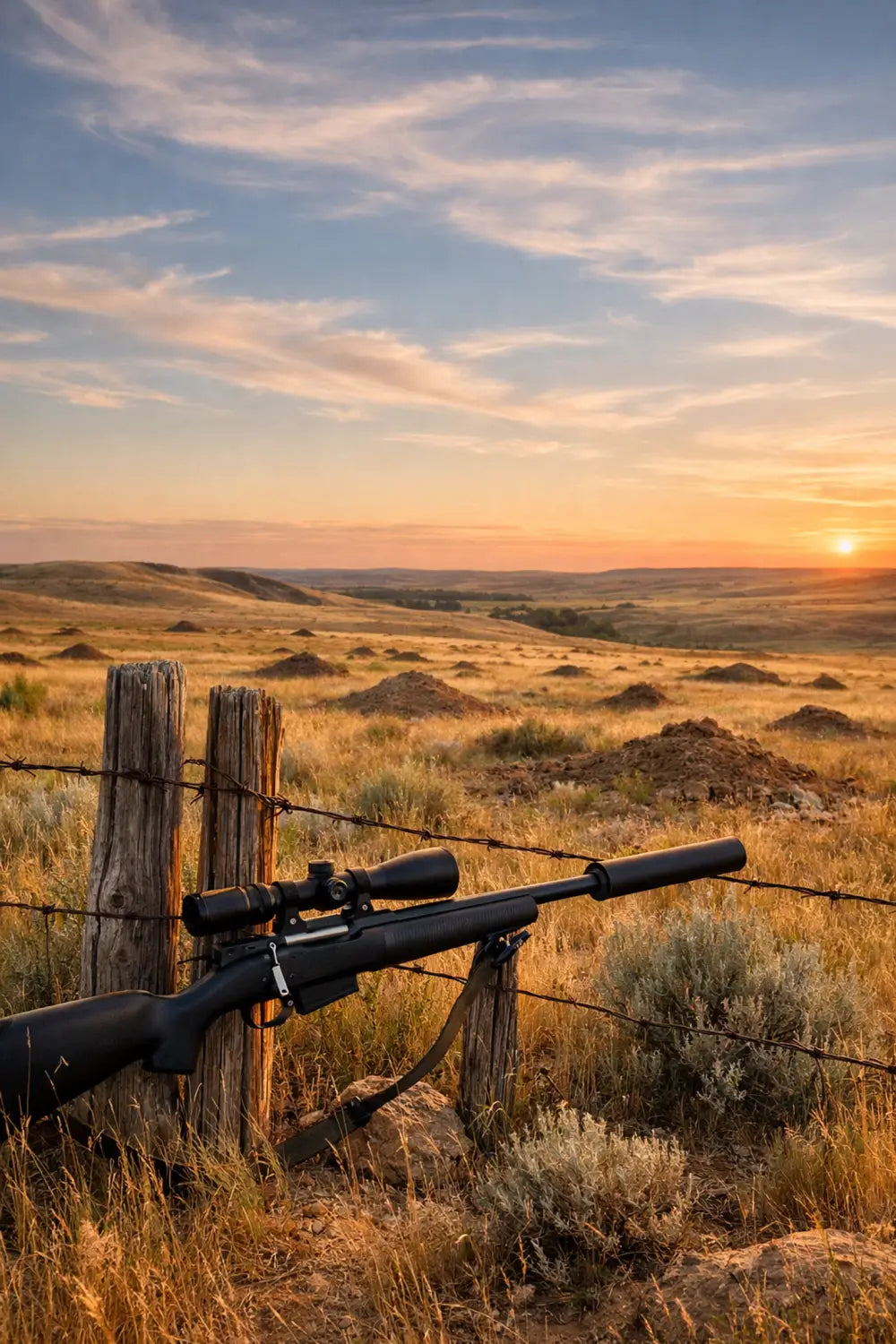
You're adding 6-12 inches and 8-20 ounces to your rifle. For a mountain hunt where every ounce counts, that matters. But for most hunting situations? It's a non-issue once you adjust.
Upfront Investment
Quality suppressors run $400-$1,200, plus a $200 tax stamp. Yes, it's a chunk of change. But consider this: you're investing in hearing protection that lasts a lifetime, improves your shooting, and enhances every hunt going forward.
Legal Complexity
This is the big one. Suppressors are legal in 41 states for hunting, but regulations vary. Some states allow them for all game, others restrict certain species. You'll need to navigate the NFA process, which involves paperwork, fingerprints, and a waiting period (though approval times have improved significantly).
Heat Management
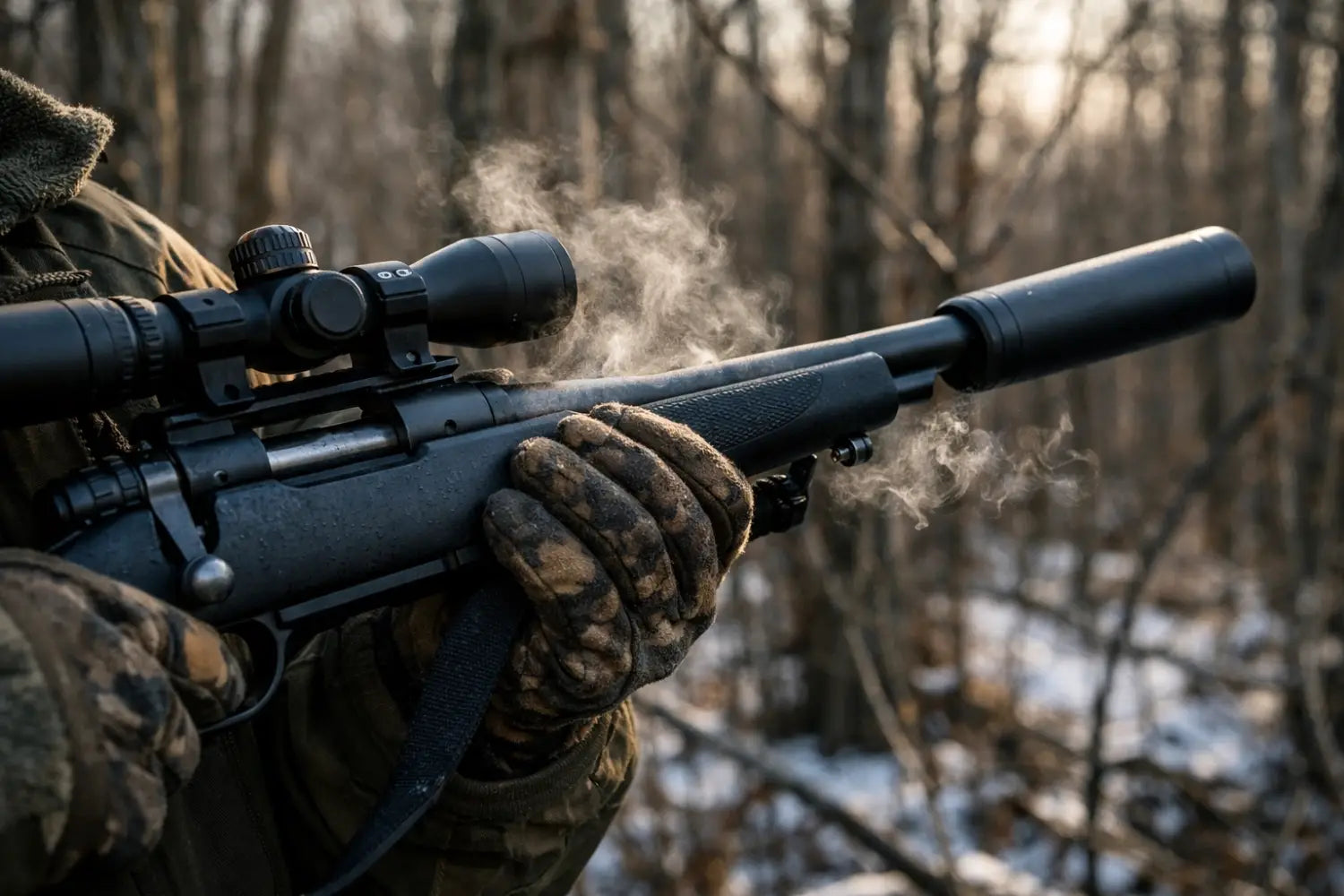
Suppressors get hot, seriously hot. After a string of shots, you're looking at 400+ degrees. You'll need to be mindful about where you're grabbing and give it time to cool.
Making the Choice
So are suppressors worth it for faith-based hunters? Here's our take: if you hunt regularly, value your hearing, and want to be a more responsible steward of your body and God's creation †, the answer is yes.
They're not mandatory. They're not for everyone. But for those of us who see hunting as both a spiritual practice and a practical pursuit, suppressors align perfectly with the values of stewardship, respect, and responsibility.
Think about where you hunt most often. If you're frequently near populated areas, hunting with family, or putting in long days in the field: a suppressor earns its keep. If you're an occasional hunter who always wears ear muffs and hunts in remote areas, you might prioritize other gear.
The Legal Landscape in 2026
The good news? The suppressor landscape continues to improve. Approval times are down, awareness is up, and more hunters are discovering these benefits firsthand. If you're in one of the 41 states where suppressors are legal for hunting, you're good to go.
Before you buy, check your specific state regulations on the Faith & Freedom Outdoors website or consult your local game commission. Some states require registration for hunting use, others have caliber restrictions, and regulations can change.
Walking the Walk
At Faith & Freedom Outdoors, we believe hunting is about more than harvesting game: it's about deepening our connection to creation, providing for our families, and honoring the gifts we've been given. Suppressors fit naturally into that philosophy.
They protect the hearing God gave us. They make us more effective, ethical hunters. They show respect for our neighbors and the wildlife we pursue. And they enhance every moment we spend in the field, allowing us to be fully present in God's creation †.
That's not just good hunting: that's faithful stewardship in action.
Ready to explore suppressors for your next hunt? The journey starts with education, moves through legal compliance, and ends with better, quieter, more connected days in the field. Your ears (and your hunting partners) will thank you.