

Late Season Duck Hunting: Tips, Tactics, and Faith-Fueled Perseverance
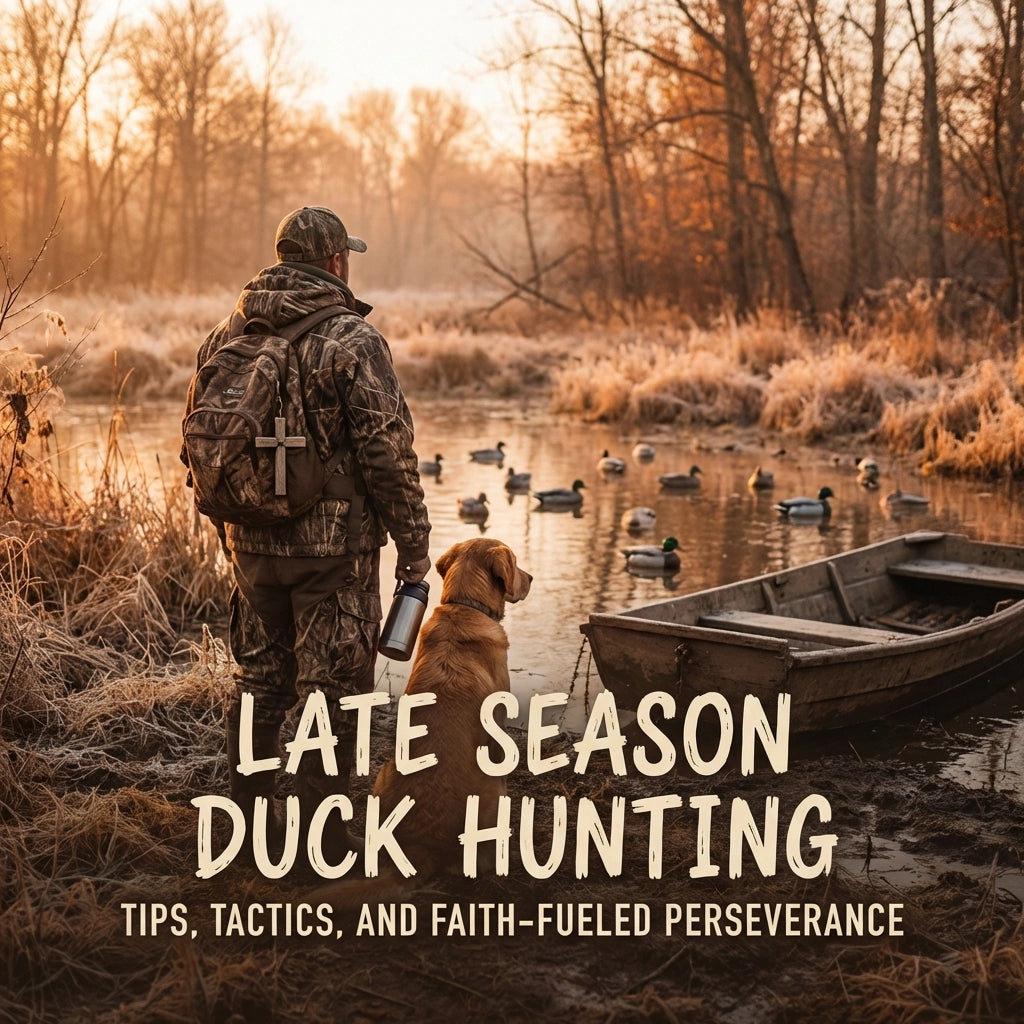
There's something special about those final weeks of duck season. The fair-weather hunters have packed it in, the blinds are quieter, and it's just you, the cold marsh, and the sound of wings cutting through frigid air. Late season duck hunting isn't for everyone: but for those who embrace the challenge, the rewards run deep.
If you've been struggling to fill your limit as the season winds down, you're not alone. Those late-season birds have seen it all. They've dodged decoy spreads, ignored aggressive calling, and learned to spot danger from a mile away. But here's the good news: with the right tactics, quality hunting gear, and a little faith-fueled perseverance, you can turn those tough hunts into some of your most memorable moments in the field.
Let's dive into the tips and tactics that'll help you finish the season strong. †
Why Late Season Ducks Are Different
By January, the ducks you're hunting are survivors. They've migrated hundreds of miles, encountered countless hunters, and developed a sixth sense for anything that looks or sounds off. Early season tactics simply won't cut it anymore.
These birds are wary, educated, and picky about where they land. They've seen the big decoy spreads, heard the aggressive hail calls, and learned to circle high over traditional blind setups. To find success, you need to think differently: and that starts with understanding what these ducks are actually looking for.
Late-season waterfowl want safety, food, and rest. They're drawn to quiet, undisturbed areas where they can relax without pressure. Your job is to create that environment while staying hidden and ready.
Rethink Your Decoy Spread
Here's where most hunters go wrong: they keep running the same big, flashy decoy spreads that worked in October. But late-season ducks have seen those setups a hundred times, and they know something's up.
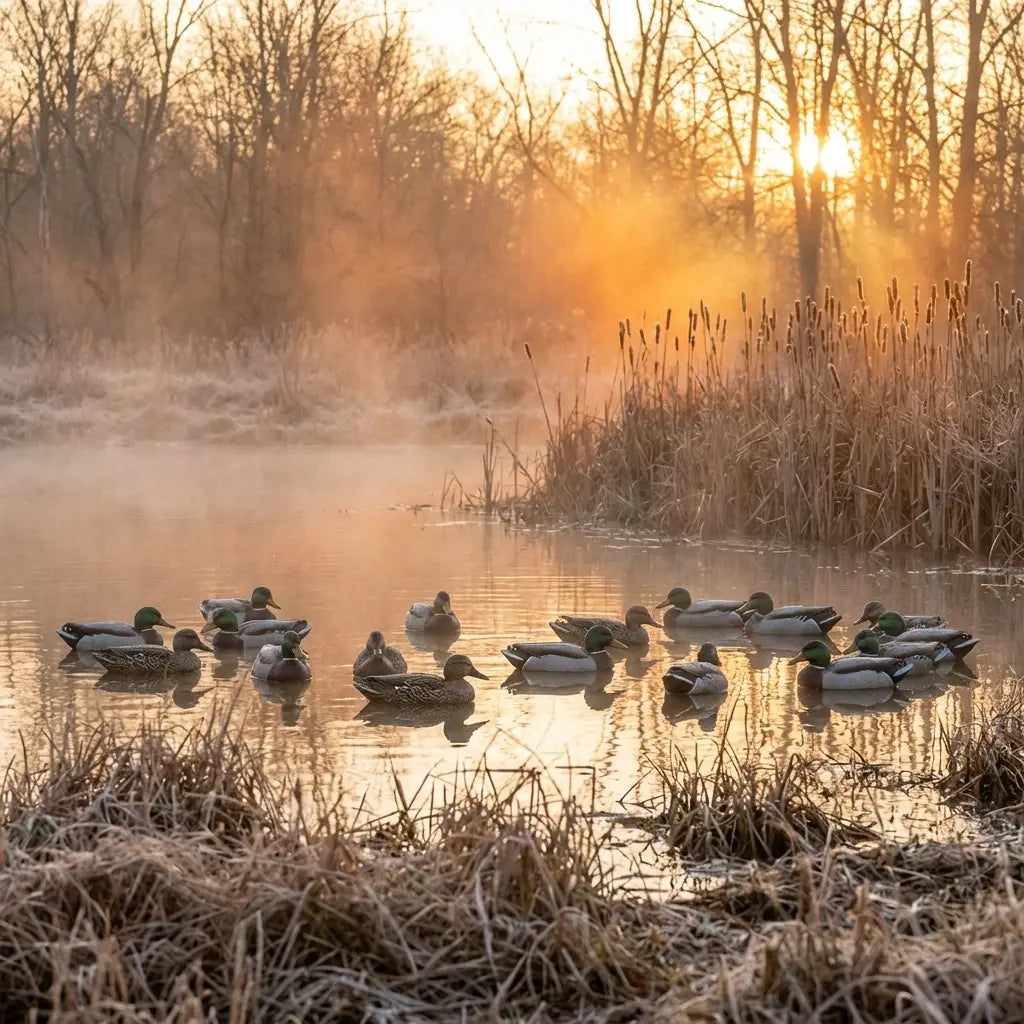
Go smaller and more natural. A spread of two dozen duck decoys or fewer, placed in a secluded pocket of water, mimics a relaxed group of birds in an undisturbed spot: exactly what wary ducks are searching for.
Spread your decoys out more than you normally would. Tight clusters look unnatural this time of year and can cause incoming birds to flare before they reach shooting range. Give each decoy some breathing room.
If you're hunting larger water bodies, try something unconventional: long lines of diver decoys. Run three or four lines of canvasback or bluebill decoys straight out from your position, or set them at a 45-degree angle from downwind corners. Mallards unfamiliar with this tactic often commit without hesitation.
Quality decoys make a difference when birds are this educated. Faded, sun-bleached decoys stick out like a sore thumb to circling ducks. Make sure your spread looks fresh and realistic. Check out the hunting gear at Faith & Freedom Outdoors to ensure you're set up for success.
Master the Art of Minimal Calling
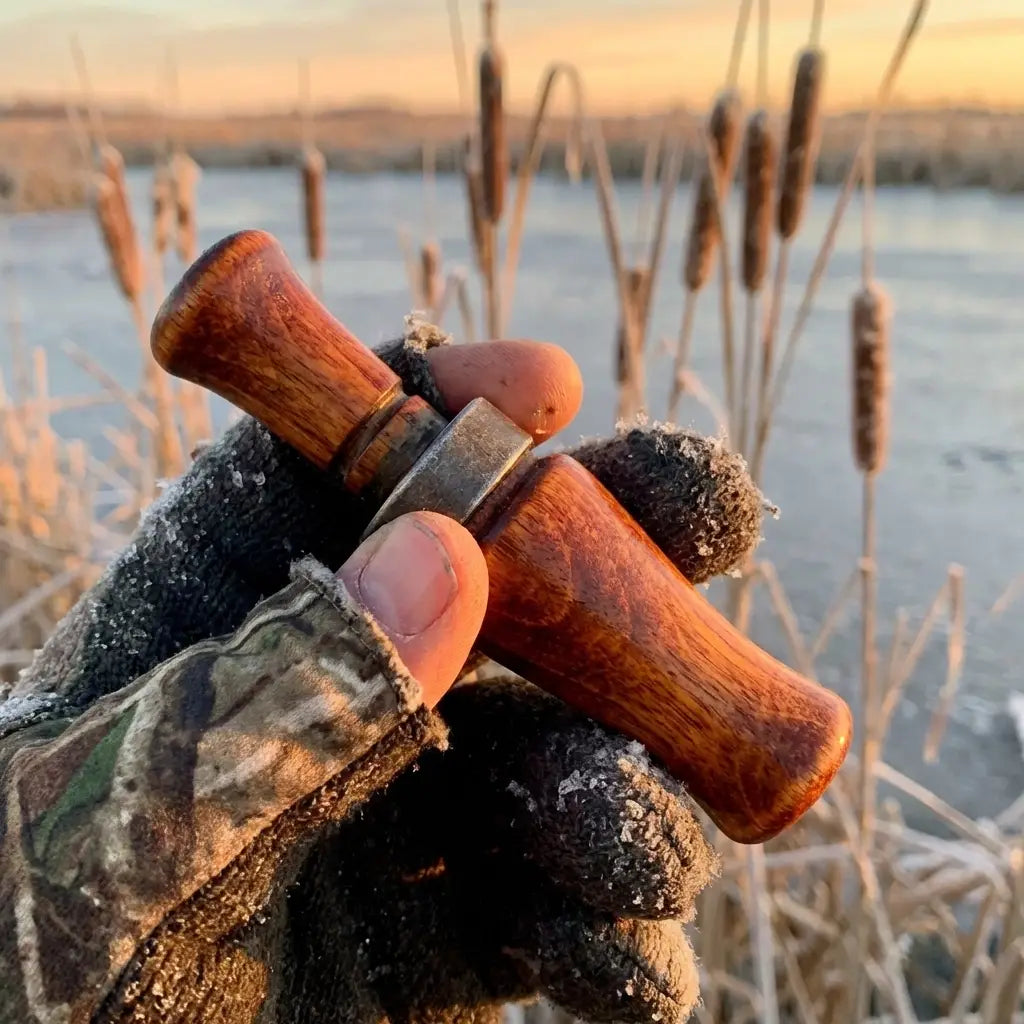
If there's one thing that'll blow your late-season hunt faster than anything else, it's overcalling. Those pressured birds have heard every hail call, feeding chuckle, and comeback call in the book. They associate aggressive calling with danger.
Less is more. Call only enough to get their attention and maintain it: nothing more. When ducks are already flying toward you, put the call down and let them work. Resist the urge to seal the deal with one more sequence.
Use comeback calls sparingly. If a group drifts 60-70 yards downwind, a soft comeback call can bring them back around. But the moment they turn toward you, fall silent.
Here's a pro tip: avoid calling when ducks can get a clear look at you. Wait until they're turning away or looking into the sun before making any sound. This keeps your position a mystery and builds their confidence.
Get Creative with Blind Placement
Late-season ducks have memorized every permanent blind on public land. They circle high, look down, and bail at the first sign of trouble. If you're hunting the same spot the same way everyone else does, you're fighting an uphill battle.
Hunt from unconventional locations. Instead of sitting in that well-worn blind, try setting up in timber stands, willow edges, or along the marsh perimeter while your decoys sit in front of traditional blind positions. This unpredictability breaks the patterns ducks have learned.
Position yourself with the wind at your back so ducks land into the wind directly in front of your setup. This gives you cleaner shots and keeps birds working where you want them.
Overhead cover is critical. Late-season ducks circle and look down into blinds: if they spot anything unnatural, they're gone. Make sure you've got solid concealment above you and use natural shadows to your advantage.
Timing Is Everything
Most hunters hit the marsh at sunrise and pack it in by mid-morning. And honestly? That's fine by us.
Late-season ducks shift their activity patterns. After months of pressure, they've learned to avoid peak hunting hours. Many birds now move during midday and late afternoon when the marshes are quieter.
Consider hunting from mid-afternoon through sunset. You'll have the water to yourself, and those educated ducks will feel more comfortable moving when the shooting has stopped. Some of our best late-season hunts happen in that golden hour before dark.
Target the Right Locations
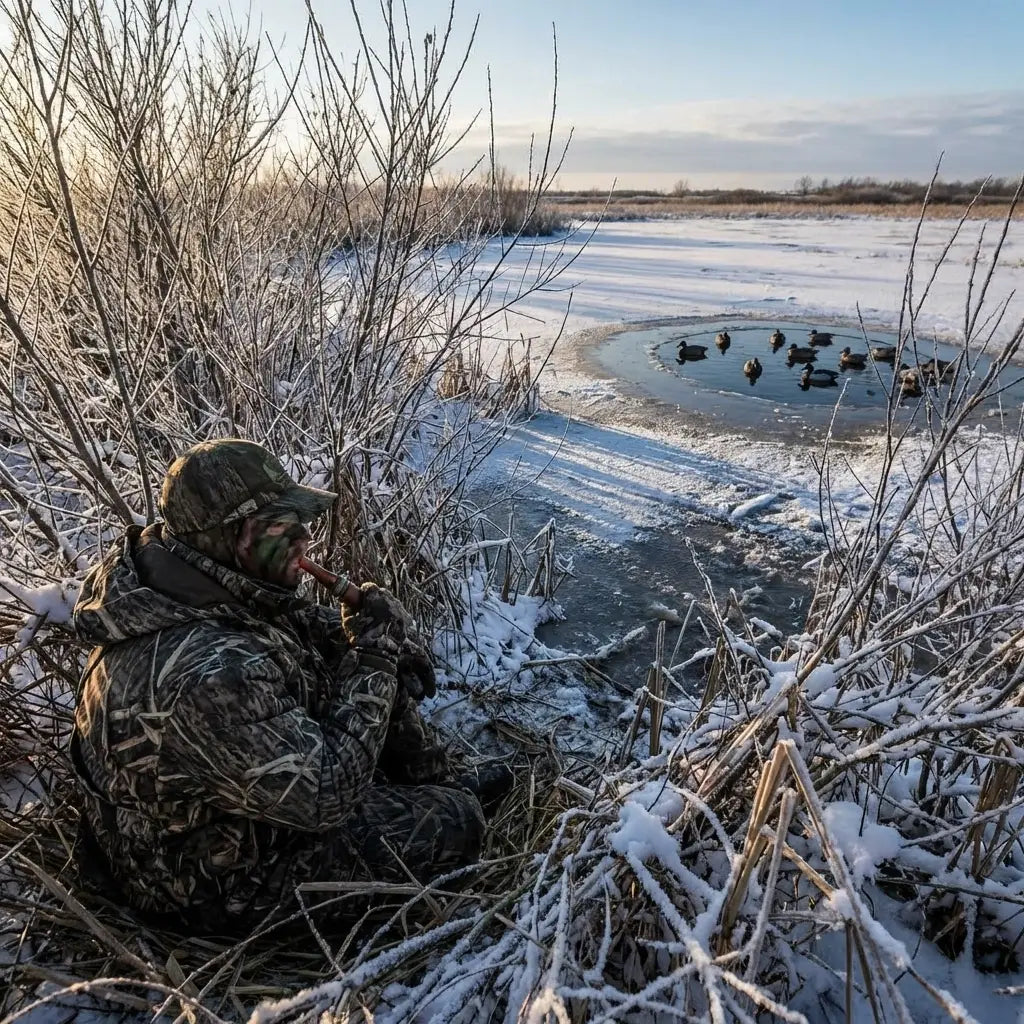
As temperatures drop and ice forms, your location strategy needs to adapt. Focus on big rivers and areas with open water after freeze-up. Ducks concentrate in these spots because they have no other choice.
Look for slack water behind wing dikes, resting areas protected from wind, and flooded food sources like standing corn or millet. These are the spots ducks already want to be: your job is simply to be there waiting.
If you're hunting frozen marshes, work to keep holes open through active movement or mechanical methods. Even a small opening in the ice can attract birds from miles around.
Gear Up for the Cold
Late-season hunting means brutal conditions. Sub-freezing temps, biting wind, and wet environments will test your resolve. The right camping gear and layering system makes the difference between a successful hunt and a miserable morning.
Invest in quality insulated waders, waterproof gloves, and hand warmers. Keep extra dry layers in your blind bag. And don't forget reliable ammo that performs in cold weather: nothing ruins a hunt faster than equipment failure when birds are finally working.
Stock up on everything you need at Faith & Freedom Outdoors so you're prepared for whatever the late season throws your way.
Faith, Perseverance, and the Late Season Grind
Let's be real: late-season duck hunting requires grit. There will be slow mornings, empty skies, and moments when you wonder why you're sitting in a frozen marsh instead of somewhere warm.
But there's something deeply rewarding about pushing through when others quit. It's a reminder that the best things in life: in hunting and in faith †: often require perseverance through difficult seasons.
Every hunt is an opportunity to connect with creation, find stillness in the chaos of life, and be reminded of something bigger than ourselves. The late season teaches patience, adaptability, and trust in the process. Those are lessons that extend far beyond the blind.
Finish the Season Strong
Late-season duck hunting isn't easy, but that's exactly what makes it worthwhile. By downsizing your decoy spread, calling less, hunting unconventional spots, and adjusting your timing, you'll put yourself in position for success when others have given up.
Embrace the challenge. Trust your preparation. And remember that every cold morning in the marsh is a gift worth pursuing.
Stay faith-fueled out there, friends. We'll see you in the blind. †