

10 Reasons Your AR Magazine Isn't Feeding Right (And How to Fix It)
![[HERO] 10 Reasons Your AR Magazine Isn't Feeding Right (And How to Fix It)](https://faithandfreedomoutdoors.com/cdn/shop/files/m1SM3cialBH.webp)
There's nothing quite like the frustration of being at the range, lining up your shot, and... click. Nothing happens. Your AR won't feed, and suddenly your focus shifts from the target to troubleshooting your gear.
Here at Faith & Freedom Outdoors, we believe that reliability is a form of stewardship †. Just as we're called to be faithful stewards of everything entrusted to us, keeping our firearms and gear in dependable working order is part of that responsibility. When your equipment works flawlessly, you can focus on what really matters: the experience, the fellowship, and the message.
So let's dig into the ten most common reasons your AR magazine isn't feeding right and, more importantly, how to fix each one. Whether you're a seasoned shooter or just getting started on your journey, this guide will help you get back to doing what you love with confidence.
1. Dirty Magazine Internals
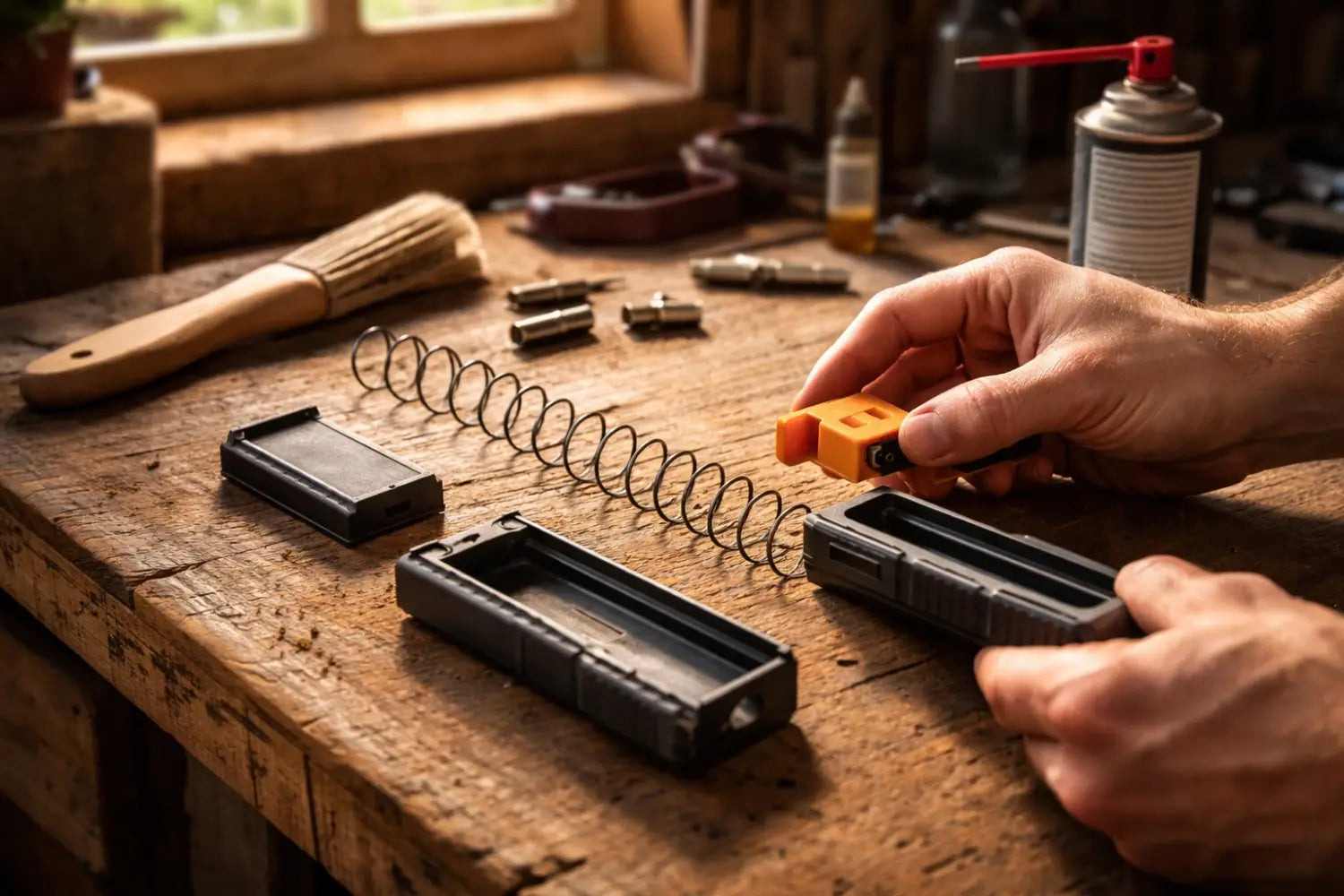
This one's the most common culprit, and it's often overlooked. Dust, debris, carbon buildup, and even pocket lint can accumulate inside your magazine over time. When gunk builds up, it creates friction that prevents cartridges from moving smoothly toward the feed lips.
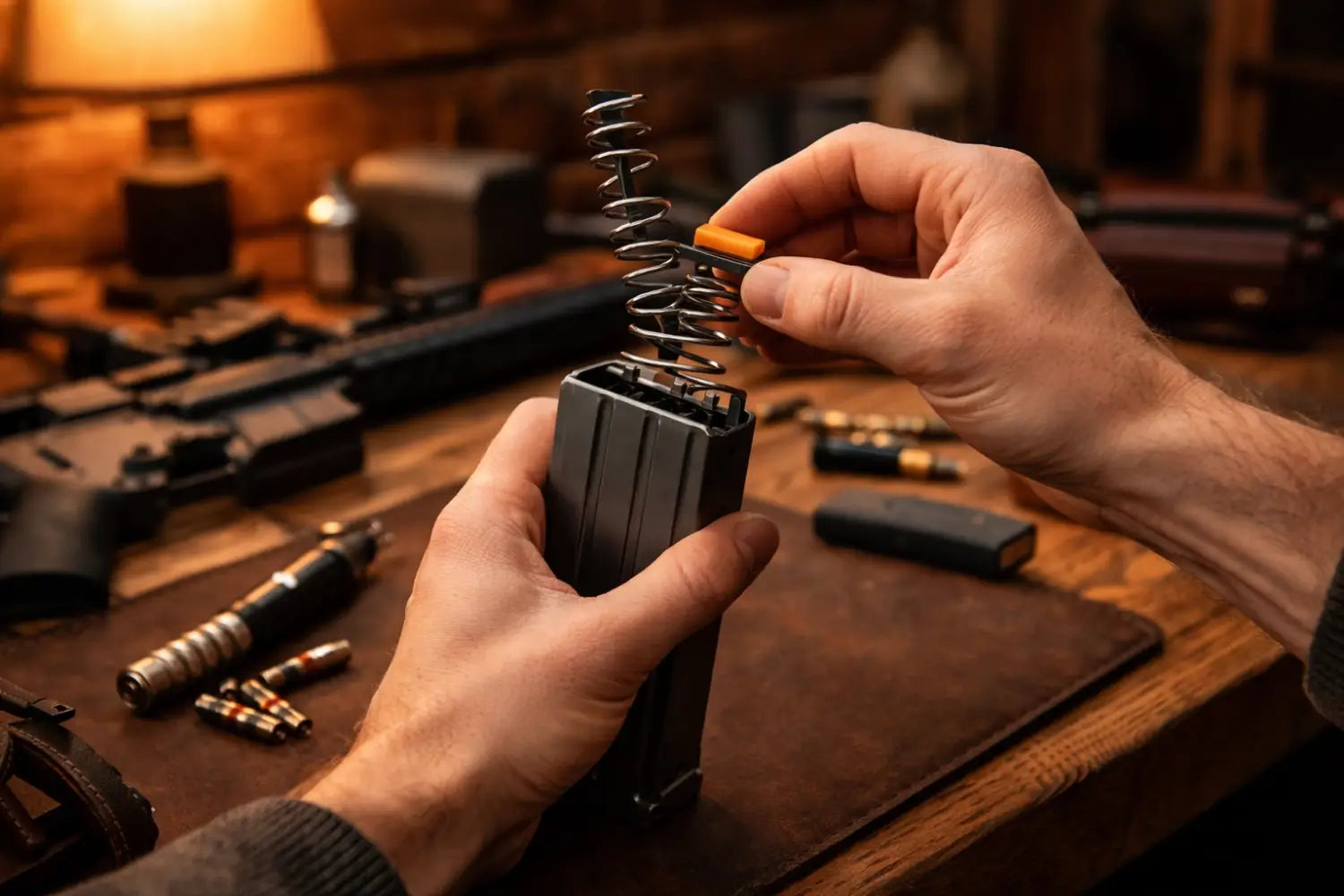
The Fix: Disassemble your magazine and give the internals a thorough cleaning. Use a dry brush or compressed air to remove debris. Here's a pro tip: don't over-oil your magazines. Excess lubrication attracts more dirt and dust, making the problem worse. A light wipe-down is all you need.
2. Worn-Out or Fatigued Springs
Springs are the heart of your magazine's feeding system. Over time: especially if you keep your mags fully loaded for extended periods: springs can lose tension. You'll notice cartridges feel easier to push in than they used to, and the last few rounds may fail to feed reliably.
The Fix: If your magazine spring feels weak or your mag is several years old, it's time for a replacement. You can purchase replacement springs, but honestly? Sometimes the smarter move is upgrading to a proven, reliable magazine like the Magpul PMAG, which features durable stainless steel springs designed for long-term performance. Check out our guide on Magpul PMAGs vs. standard AR magazines for a deeper comparison.
3. Damaged or Tilted Followers
The follower is the platform that pushes your rounds upward. If it's cracked, warped, or tilting to one side, your cartridges won't stack properly, leading to feeding failures or double-feeds.
The Fix: Inspect your follower for visible damage or wear. If it's not sitting level or shows cracks, replace the follower or the entire magazine. Many quality aftermarket magazines use anti-tilt followers specifically designed to prevent this issue.
4. Bent or Damaged Feed Lips
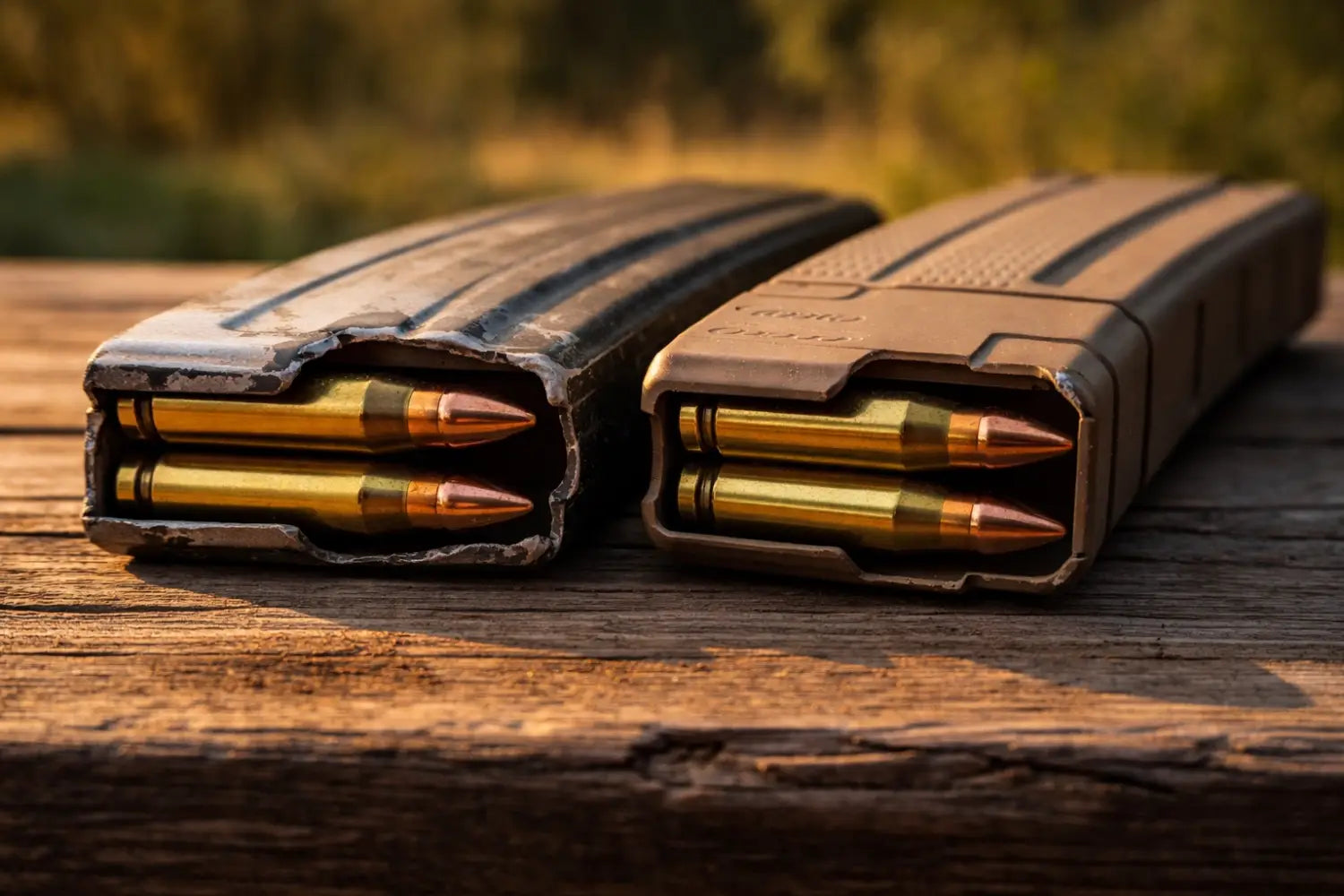
Feed lips guide cartridges into the chamber, and they take a lot of abuse over time. If they're bent, spread too wide, or pushed too close together, rounds won't present correctly to the bolt. You might notice scratches on your cartridge cases: a telltale sign of feed lip issues.
The Fix: With metal magazines, you can sometimes carefully bend feed lips back into spec using a feed lip gauge. However, this is risky: once metal is bent, it's weakened. The safer approach is to replace the magazine entirely. Polymer magazines like Magpul PMAGs have reinforced feed lips that resist deformation, making them a faith-fueled upgrade for reliable performance.
5. Debris in the Magazine Well
Sometimes the problem isn't the magazine itself: it's where the magazine seats. Dirt, sand, and debris can accumulate in your rifle's magazine well, preventing the mag from seating fully or causing friction during feeding.
The Fix: Regularly inspect and clean your lower receiver's magazine well. Use compressed air or a brush to clear any debris. This is especially important after shooting in dusty or outdoor environments where nature tends to find its way into everything.
6. Old or Corroded Ammunition
Your ammo matters more than you might think. Old ammunition can develop corrosion, tarnishing, or dimensional changes that affect how it feeds. Corroded cases create friction, and rounds that are slightly out of spec can cause jams.
The Fix: Inspect your ammunition before loading. If you notice discoloration, green corrosion, or dented cases, don't use those rounds. Invest in quality, fresh ammunition and store it properly in a cool, dry place. As stewards of our gear, we owe it to ourselves and those around us to use reliable ammo every time.
7. Over-Torqued Aftermarket Springs
Here's a counterintuitive one: sometimes a spring that's too strong causes problems. If you've installed an extra-strong aftermarket spring, the increased tension can create excessive friction that slows the bolt carrier, preventing full cartridge chambering.
The Fix: If you suspect this is the issue, fully load your magazines and let them sit for one to two weeks. Cycle them through your rifle periodically to help break in the springs. If problems persist, consider returning to a factory-spec spring or switching to a magazine designed with properly balanced spring tension from the start.
8. Cracked or Broken Magazine Body
This one's pretty straightforward. Cracks in the magazine body: whether from drops, impacts, or age: compromise the structural integrity needed for reliable feeding. Even small cracks can allow debris inside or cause the magazine to flex under pressure.
The Fix: Inspect your magazines regularly for visible damage. If you find cracks, don't try to repair them. Replace the magazine. Your safety and the safety of those around you is worth more than holding onto worn-out gear.
For tips on choosing the right replacement, check out our Beginner's Guide to Picking the Right Mag for Your Rifle.
9. Improperly Seated Magazines
Sometimes the fix is simpler than you'd expect. If your magazine isn't fully seated in the magazine well, it won't feed properly. This can happen if you're loading on a closed bolt or if debris is preventing full insertion.
The Fix: Give your magazine a firm tap after insertion to ensure it's locked in place. Test with an unloaded magazine drop test: press the magazine release, and the empty mag should drop freely. If it doesn't, something's blocking full engagement.
10. Faulty Magazine Catch
The magazine catch holds your magazine in place during firing. If it's worn, damaged, or improperly adjusted, your magazine may not seat fully or could shift during use, causing feeding failures.
The Fix: Inspect your magazine catch to ensure it fully retracts when pressed and engages properly with the magazine. If it's worn or damaged, this is an inexpensive gun part to replace: and it makes a world of difference. Quality gun parts are essential for a safe, enjoyable day at the range or in the field.
When It's Time to Upgrade
Here's the honest truth: sometimes the best fix isn't fixing at all: it's upgrading. If you're constantly battling feeding issues across multiple magazines, it might be time to invest in high-quality gun magazines that are built to perform.
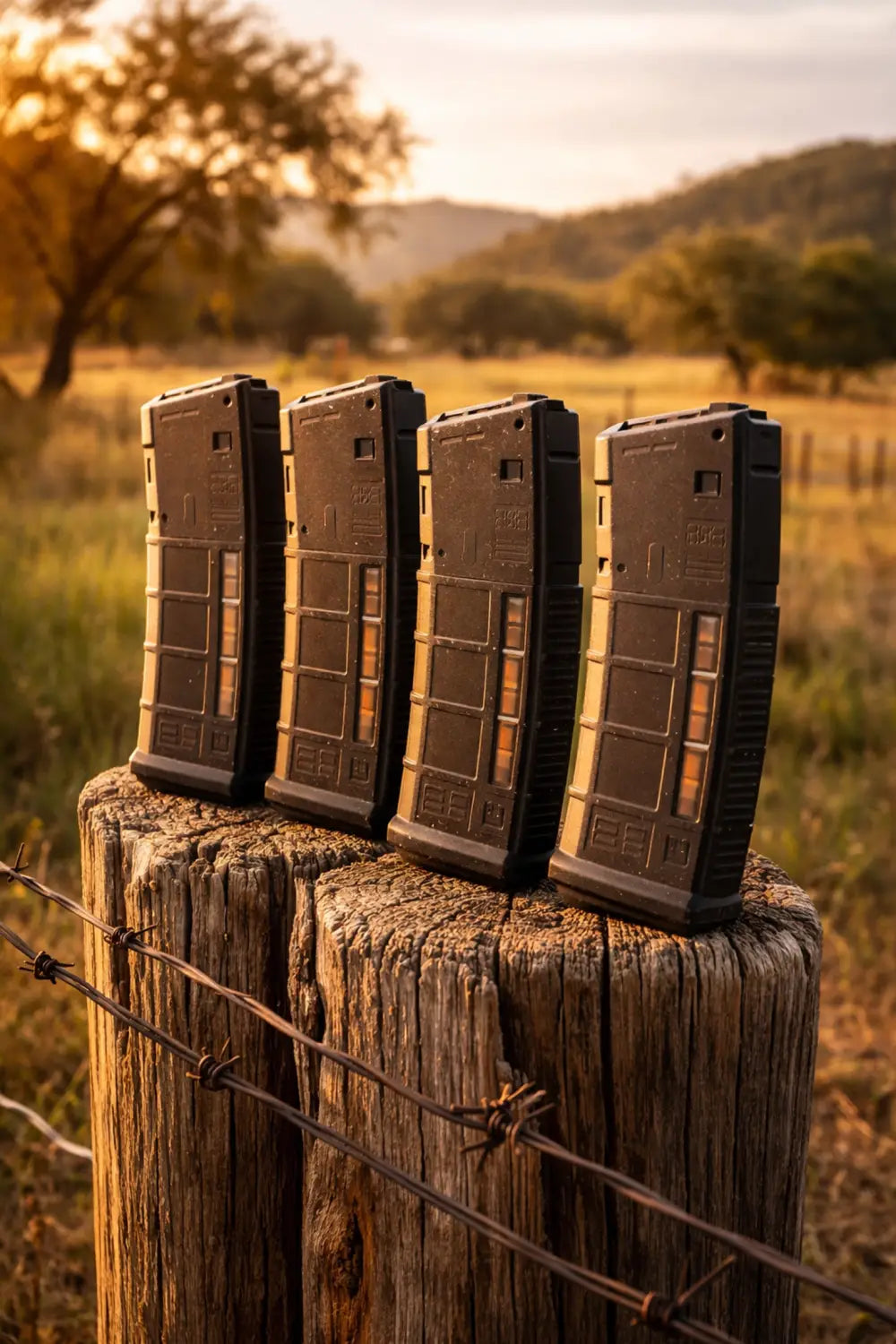
Magpul PMAGs have become the gold standard for a reason. Their anti-tilt followers, reinforced polymer construction, and reliable spring tension make them a go-to choice for shooters who refuse to compromise on dependability.
Dependable Gear, Focused Spirit
At the end of the day, we believe that dependable gear empowers you to focus on what truly matters †. Whether you're at the range sharpening your skills, in the field pursuing game, or teaching the next generation the values of patience, safety, and stewardship: your equipment should serve you, not distract you.
Taking care of your magazines isn't just about mechanics. It's about honoring the responsibility we carry as firearm owners. It's about being prepared, being faithful, and being ready for whatever adventure lies ahead.
So inspect those mags, clean out the gunk, replace what's worn, and embrace the confidence that comes from knowing your gear is ready when you are.
Stay faithful. Stay prepared. And we'll see you out there.